

Last Updated: November 12, 2026
Quick Summary
To prevent watch band rash, dry your wrist and band completely after every wash, wear the band loose enough to fit one finger under it, and take the watch off for an hour each day so your skin can breathe. Cleaning the band weekly and switching wrists overnight also helps stop moisture and friction from building up.
- Moisture irritation clears up fast once the area dries out, while a contact allergy lingers after you remove the watch.
- Wear the band slightly loose so you can fit one finger under it; a deep imprint means it is too tight.
- Clean the band weekly at minimum, and more often in summer or after workouts.
- During workouts, loosen the band one notch or switch to a breathable nylon strap, then rinse and dry both wrist and band.
- Stop wearing the watch on that wrist the moment you notice a rash, which resolves most mild moisture-related cases within a few days.
Table of Contents
- Why Your Watch Band Causes Irritation (And How to Spot the Difference)
- How to Prevent Watch Band Rash from Silicone and Other Materials
- How to Clean a Watch Band Without Irritating Your Skin
- Choosing a Hypoallergenic Watch Band for Sensitive Skin
- How to Treat Watch Rash When It Already Flares Up
- A Step-by-Step Troubleshooting Sequence for Stubborn Irritation
- Find Your Next Comfortable Band at Snap Bands
- Frequently Asked Questions
Why Your Watch Band Causes Irritation (And How to Spot the Difference)
Watch band rash is a patch of itchy, red, irritated skin that appears under or around your watch strap. It usually comes from trapped moisture, friction, or a reaction to the band material, not from the watch itself. At Snap Bands, we hear this concern often, and the fix is almost always simpler than people expect.
Dermatologists have documented band-related skin reactions for years. One case report on contact urticaria caused by the Apple Watch described a patient who developed a rash after wearing the device, showing that even premium hardware can trigger skin trouble in sensitive people.
Here's the part most guides get wrong: a rash doesn't automatically mean you're allergic. It usually means moisture is sitting against your skin.
Contact Allergy vs. Moisture Irritation: What Your Skin Is Telling You
A contact allergy is an immune reaction to a specific material, most often nickel or certain rubber compounds. It tends to show up as a raised, bumpy rash that spreads beyond the band's edges and lingers after you remove the watch.
Moisture irritation is simpler. It's redness, itching, and sometimes flaking right where the band sits. It clears up fast once the area dries out.
Ask yourself three questions:
- Does the rash fade within a day of going watch-free? Likely moisture.
- Does it appear only with one specific band? Likely a material reaction.
- Does it itch and spread past the band's outline? Worth a doctor's look.
A Garmin user on a Reddit discussion about watch rash pointed to sweat and grime trapped under a rubber strap as the culprit, not the strap itself. That matches what we see most often.
How to Prevent Watch Band Rash from Silicone and Other Materials
Prevention is less about one magic band and more about matching the material to your day. The same strap that feels lovely at a desk can trap sweat during a workout, and the band you sleep in has different demands than the one you wear to brunch. Think in terms of breathability, moisture retention, cleaning effort, and allergen risk, then build a small rotation instead of relying on a single band for everything.
Match the material to the moment
- Silicone and rubber: Waterproof and easy to wipe. Perforated silicone styles are breathable and sweat resistant. Best for workouts and washing up.
- **
- **
- **
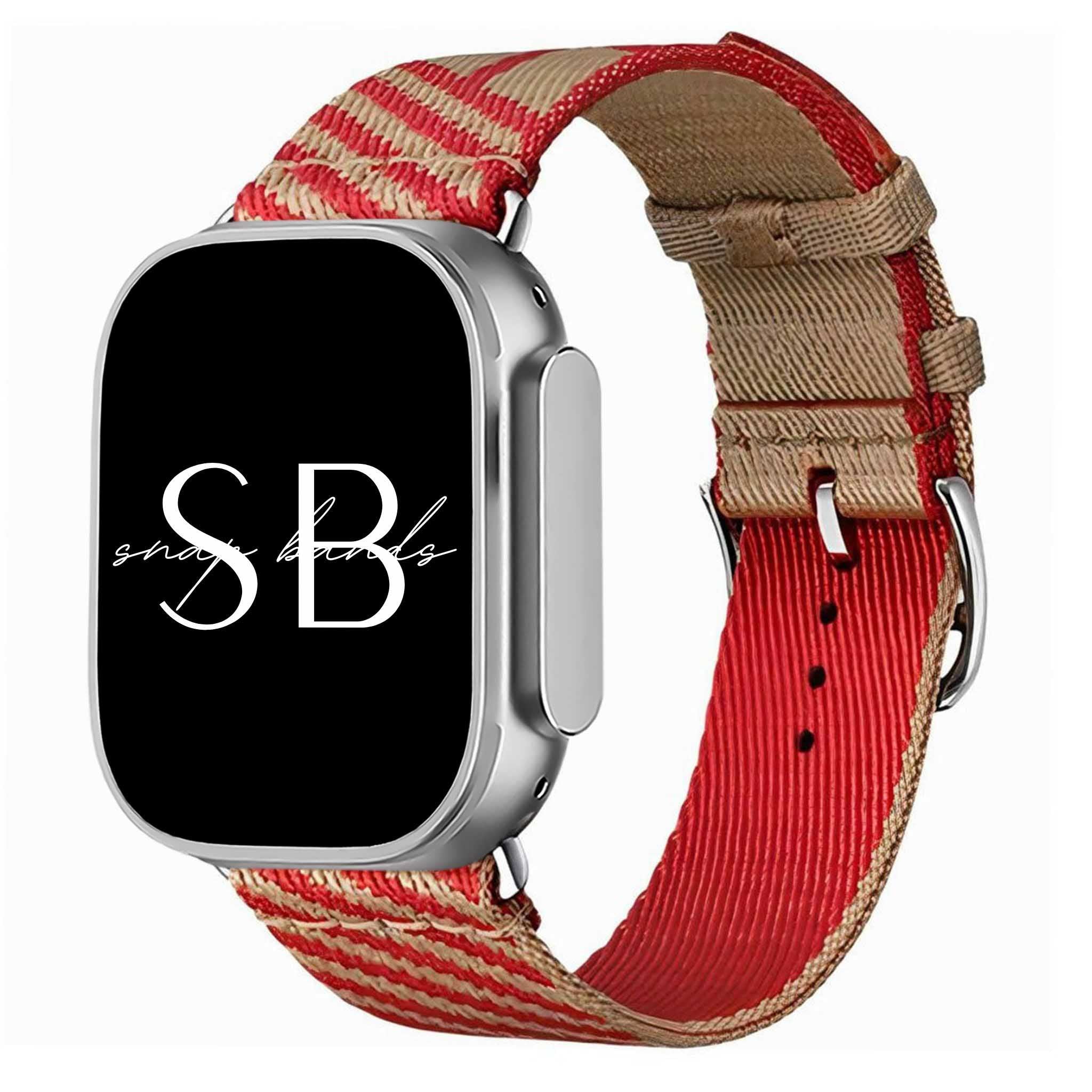
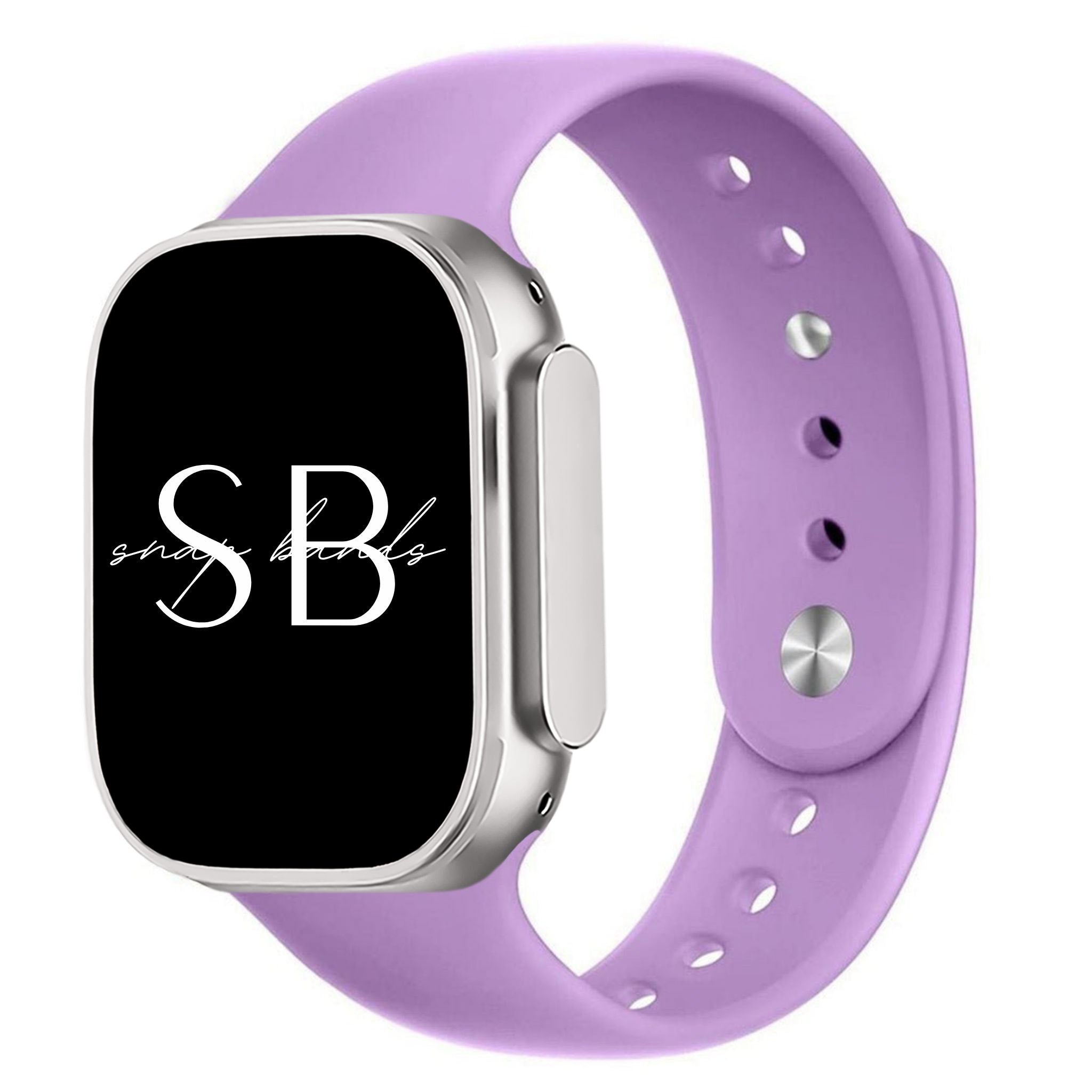
If you are specifically wondering how to prevent watch band rash from silicone, the answer is airflow plus a thorough dry after every wash. Our Lenci Liquid Silicone Band uses a smooth liquid silicone surface that cuts friction, and for sweaty wrists our breathable Nylon Soft Snap Band wicks moisture instead of holding it.
Build a two-minute daily routine
- Dry your wrist and band after every wash. Moisture is the number one cause, so pat the skin and the strap fully dry before refastening.
- Wear the band slightly loose. You should fit one finger under it; a deep imprint means it is too tight.
- Take the watch off for an hour each day. Let the skin breathe, ideally right after a workout or commute.
- Switch wrists overnight. It gives each side a rest and helps you notice whether the rash follows the band.
- Clean the band weekly at minimum. More often in summer, after workouts, or whenever you have been sweating.
Adjust for workouts, heat, and sleep
These are the three situations that increase sweat and prolonged contact, so they deserve their own rules. During workouts, loosen the band one notch or switch to a breathable nylon strap, then rinse and dry both wrist and band as soon as you finish. In hot weather, favor woven or perforated materials and take the watch off for a few minutes whenever you notice dampness under the strap. For sleep, either remove the watch or switch to a soft, breathable band and wear it looser than you would during the day, since hours of warm, still contact is exactly what moisture irritation feeds on.
Test one change at a time
If you are not sure what is triggering the rash, change only one variable per test so you can actually learn from the result. Start by cleaning and fully drying the band, then loosen the fit for a few days, then take a daily watch-free hour, then switch wrists, and only then try a different material. Changing everything at once may clear the rash, but it will not tell you which habit or material to keep.
How to Clean a Watch Band Without Irritating Your Skin
Cleaning is where most people accidentally make irritation worse. Harsh cleaners leave residue that sits against your skin all day.
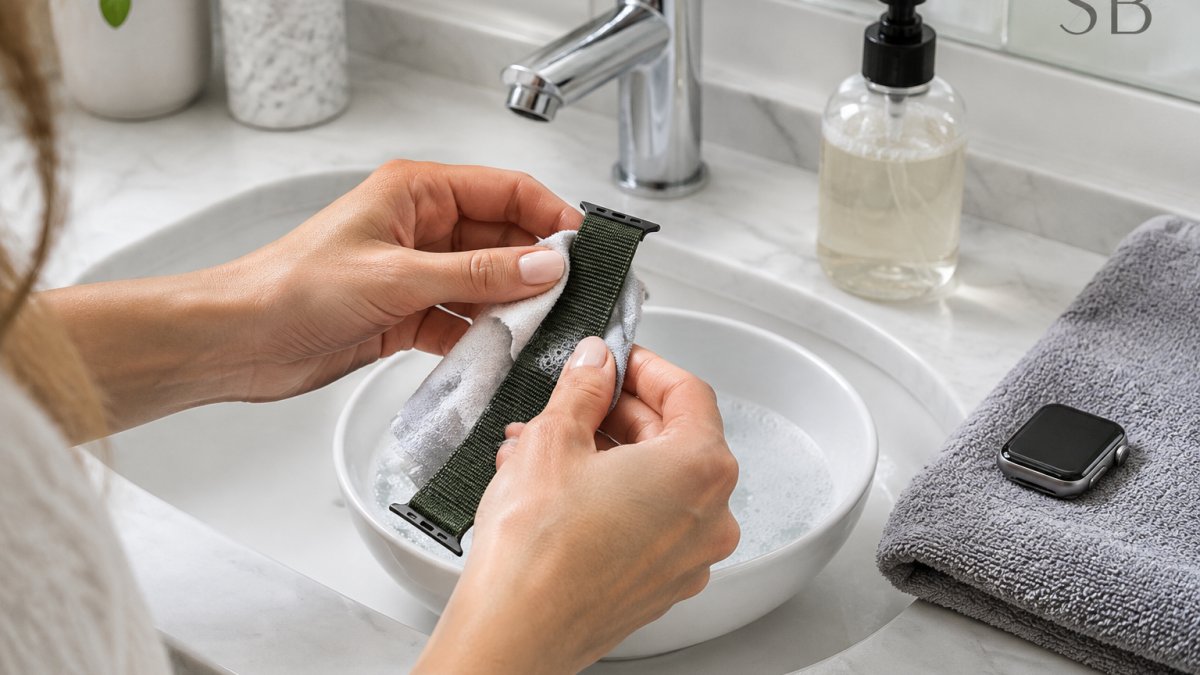
Follow this material-specific routine for how to clean a watch band safely:
- Silicone and rubber: wipe with a damp cloth and a drop of mild soap. Rinse well. Dry completely.
- Nylon and fabric: hand-wash in cool water with mild soap. Air dry fully before wearing.
- Metal: wipe with a soft cloth. Dry right away to avoid residue buildup.
- Leather: wipe with a barely damp cloth only. Never soak it.
Skip alcohol, bleach, and scented sprays. They strip finishes and leave irritants behind. Rinse until the water runs clear, then let the band dry somewhere with airflow.
Choosing a Hypoallergenic Watch Band for Sensitive Skin
What to look for:
- Liquid silicone or perforated silicone for breathability
- Woven nylon, which dries fast and lets air through
- Surgical-grade stainless steel if you prefer metal
- Bands with smooth edges and no exposed nickel hardware
What to skip: cheap rubber, tight elastic, and any band that leaves a deep imprint on your wrist.
If you're ready to switch, browse our full silicone band collection to compare colors, widths, and finishes. Our guide to leather alternatives for sensitive skin covers more options if you love a classic look but need a gentler material.
How to Treat Watch Rash When It Already Flares Up
Stop wearing the watch on that wrist the moment you notice a rash. That single step resolves most mild moisture-related cases within a few days, and it also gives you the clearest clue about the cause: if the skin settles quickly once the band is off, moisture or friction is the likely trigger.
Calm the skin first
Do not put the same band back on until both the skin and the band are fully clean and dry. If the band is fabric or leather, give it a full air-dry day; if it is silicone or metal, wipe it down and let it dry completely.
Know when it is more than irritation
Most band rashes are mild and settle with the steps above, but some need a professional look. Seek medical advice if the rash is persistent and does not improve after a week of keeping the area clean and watch-free, or if it spreads beyond the band's outline, becomes painful, blisters, oozes, or looks infected with warmth, swelling, or pus.
A useful way to think about it is by timing and pattern. A rash that fades within a day of going watch-free points to moisture or friction. A rash that appears only with one specific band points to a material reaction.
A Step-by-Step Troubleshooting Sequence for Stubborn Irritation
When the basics don't work, work through this sequence in order. Stop as soon as the rash clears.
- Go watch-free for 48 hours. Confirm the rash fades without the band.
- Deep-clean the band. Follow the material guide above.
- Loosen the fit by one notch. Test for three days.
- Switch to your other wrist. See if the rash follows the band or stays put.
- Try a different material. Move from silicone to nylon, or vice versa.
- Rotate two bands. Give each one a full dry-out day.
- Check the hardware. Nickel in clasps and buckles is a common hidden trigger.
If irritation returns after all seven steps, it's time for a dermatologist's opinion. If you're also wondering about fit during workouts, our article on whether magnetic watch bands stay secure during weightlifting covers that question.
| Step | What to Do | Time Needed | What It Tells You |
|---|---|---|---|
| 1 | Go watch-free | 48 hours | Whether the band is the cause |
| 2 | Deep-clean the band | 10 minutes | Whether residue is the trigger |
| 3 | Loosen the fit | 3 days | Whether friction is the issue |
| 4 | Switch wrists | 3 days | Whether the band or skin is reacting |
| 5 | Change material | 1 week | Whether material sensitivity is involved |
Find Your Next Comfortable Band at Snap Bands
A rash-free wrist starts with the right band and a two-minute daily routine. Dry it, loosen it, clean it, and rotate it. That's the whole system.
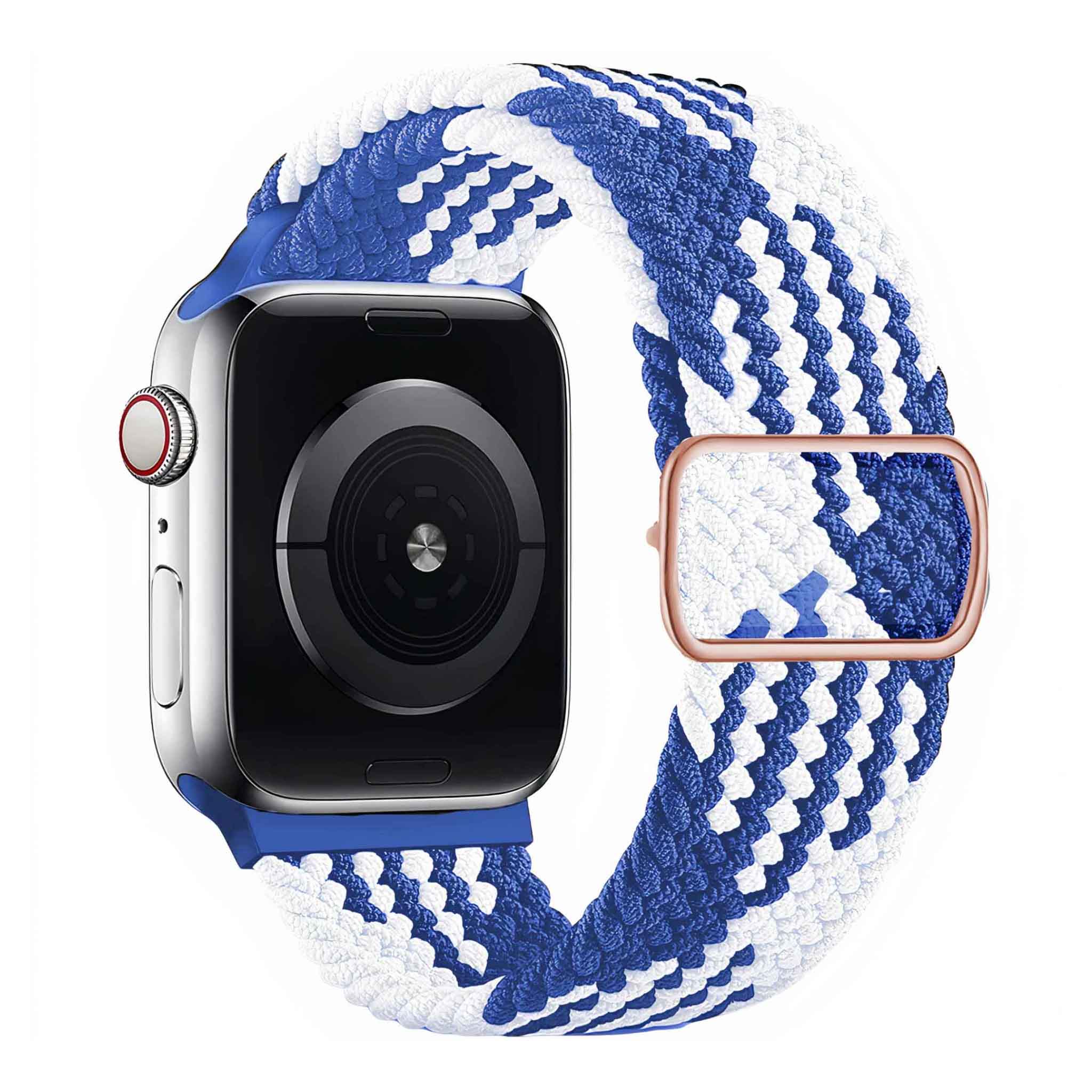
If your current band keeps letting you down, our collection is built for all-day comfort and easy style swaps. Plus, our Zebra Nylon Woven Band and other woven styles are designed for everyday comfort.
Ready to give your skin a break? Get started with Snap Bands and find a band that feels as good as it looks.
Your wrist deserves better than a band that fights it. At Snap Bands, we make soft, breathable watch bands in colors you'll actually want to wear, with third-party compatibility for Apple Watch and other brands. Swap styles in seconds and keep your skin happy all day.
Frequently Asked Questions
Why does my watch band keep giving me a rash?
Most watch band rashes come from trapped moisture, sweat, and grime sitting between the band and your skin, not from an allergy. If the rash appears only after sweaty workouts or 24-hour wear, moisture is the likely cause. If it appears every time you wear a specific metal band, a nickel allergy may be involved. Cleaning and drying the band daily usually clears up moisture-related irritation within a week.
How do I prevent watch band rash from silicone?
Silicone traps sweat because it does not breathe. To prevent watch band rash from silicone, loosen the band one notch during workouts, rinse and dry it after every sweaty session, and take the watch off for an hour or two each day. A perforated silicone band, like the Minniti Perforated Silicone Band from Snap Bands, lets air circulate and reduces trapped moisture. If irritation continues, switch to a nylon or fabric strap, which wicks moisture away from the skin.
Can a watch band cause an allergic reaction?
Yes. Metal bands often contain nickel, a common allergen that can cause contact dermatitis. A published case report from Wake Forest Baptist Dermatology described a patient who developed a skin rash after using an Apple Watch. If redness, itching, or small bumps appear only where the metal touches your skin, an allergic reaction is possible. Switch to a hypoallergenic watch band made of nylon, fabric, or perforated silicone, and see a doctor if symptoms persist.
When should I stop wearing my watch because of a rash?
Stop wearing the watch if the rash spreads beyond the band area, blisters, oozes, or does not improve after a week of cleaning, drying, and switching bands. Also take a break if you feel pain or swelling. A step-by-step approach helps: remove the watch, clean and dry the band, switch to a different material, and give your wrist a day or two of rest. If the rash returns every time you wear the watch, see a dermatologist to rule out a contact allergy.


