

Table of Contents
- Why Swap Your Fitness Tracker Band at All?
- Quick Comparison: Best Watch Band Alternatives for Fitness Trackers
- Fitness Tracker Replacement Bands: Silicone vs Nylon
- Watch Band Compatibility Guide: Will It Actually Fit?
- Fitness Tracker Bands for Sensitive Skin
- How to Keep Your Band Looking New: Cleaning and Care
- Which Band Fits Your Life? Picking by Activity
- Conclusion
- Frequently Asked Questions
Last Updated: October 12, 2026
Why Swap Your Fitness Tracker Band at All?
Your fitness tracker is only as good as the band holding it against your wrist. A loose strap lets the sensor slide, which means your heart-rate readings drift and your sleep data gets patchy. A scratchy one leaves you tugging at your wrist all day.
That's why so many women are exploring watch band alternatives: they want a band that looks polished with a blazer, survives a sweaty spin class, and doesn't irritate their skin. At Snap Bands, we hear the same thing from customers constantly. The tracker itself is fine. The band that came in the box is the problem.
Swapping it is the cheapest upgrade you can make. Here's what to look for.
Quick Comparison: Best Watch Band Alternatives for Fitness Trackers
Here's the short version before we get into the details. All five of these are third-party bands from our own collection, in the $35-$39 range, and each one fits a different kind of day.
| Band | Material | Best For | Price |
|---|---|---|---|
| Lucio Sport Silicone Band | Silicone, wavy breathable design | Sweaty workouts and swimming | $35 |
| Siena Sport Silicone Band | Soft silicone | All-day wear and daily activities | $35 |
| Kaya Silicone Sport Band | Silicone with adjustable buckle | Workouts, swimming, everyday | $37 |
| Enzo Sporty Perforated Band | Perforated soft silicone | Gym sessions and casual wear | $37 |
| Adventure Nylon Strap Band | Rugged nylon with mountain clasp | Outdoor days and daily wear | $39 |
Every band ships free with a gift box, and our current offer is simple: buy four, pay for two. That's how most people build a small rotation instead of replacing one worn-out strap every few months.

Fitness Tracker Replacement Bands: Silicone vs Nylon
Silicone and nylon are the two materials most fitness tracker replacement bands are built from, and they fail in opposite ways. Silicone resists sweat but can trap it against skin. Nylon breathes beautifully but holds moisture longer than you'd expect.
Silicone: the sweat-and-swim workhorse
Silicone doesn't absorb water or sweat, which is why it's the default for workout bands. It wipes clean in seconds, handles pool chlorine and salt water without degrading, and keeps its shape through repeated stretching.
The catch is breathability. A solid silicone band sits flush against skin, so sweat pools underneath during long sessions.
Cheaper silicone can also feel tacky or grabby once you start sweating. Softer formulations, like the one in the Siena Sport Silicone Band, stay comfortable through all-day wear rather than just a single workout.

Nylon: breathable, lighter, higher maintenance
Nylon behaves like fabric because it is fabric. The Adventure Nylon Strap Band uses a rugged woven strap with a mountain clasp, so it feels lighter on the wrist and lets air pass through in a way silicone can't.
The trade-off is drying time. Nylon absorbs sweat and water, and a damp nylon band against skin is a recipe for odor and irritation.
How the two compare on the things that actually matter
- Sweat management: Silicone repels sweat but can pool it; nylon absorbs it and needs to dry. Perforated or channeled silicone is the middle ground.
- Drying time: Silicone dries in minutes with a wipe; nylon needs hours to a full day.
- Odor: Silicone resists odor if wiped regularly; nylon holds odor if it's never fully dried.
- Skin sensitivity: Soft silicone and clean nylon are both generally well tolerated. The bigger factor is fit and dryness, not the material label.
- Durability: Silicone holds color and shape well but can eventually stiffen; nylon can fray at the clasp over time.
- Look: Silicone reads sporty and casual; nylon reads outdoorsy and slightly more rugged.
Which should you pick?
If your week is mostly gym, pool, and sweaty workouts, silicone, ideally a breathable or perforated design, is the lower-maintenance choice. If you want a lighter feel on the wrist and don't mind a rinse-and-air-dry routine, nylon is worth it.
Watch Band Compatibility Guide: Will It Actually Fit?
Most band-shopping frustration isn't about color or material. It's about the click. A band that won't seat, wobbles, or leaves a gap at the lug is almost always a connector or width mismatch, not a defective tracker.
Here's the compatibility checklist we walk customers through before they order.
1. Identify your attachment system.
Fitness trackers use one of three setups:
- Standard quick-release pins, the spring-bar style used on most traditional watch lugs. You compress the pin, slot the band in, and it snaps. Our bands use this standard connector, which is why they seat without wobble on compatible trackers.
- Proprietary connectors, some trackers use a brand-specific slide, clip, or magnetic rail. A standard-pin band will not fit these, no matter the width.
- Integrated lugs, the band is part of the case and isn't user-swappable at all.
If you're unsure which you have, flip the tracker over and look at where the band meets the case. A visible spring bar means standard pins. A smooth, sealed junction usually means proprietary.
2. Measure your lug width.
Lug width is the distance in millimeters between the two points where the band attaches. Common sizes are 18mm, 20mm, 22mm, and 24mm. A band that's 2mm off will either rattle or refuse to seat.
Measure with a ruler across the gap, or check your tracker's spec sheet. If you're between sizes, size down rather than up, a slightly narrow band seats cleanly, a wide one does not.
3. Match the band to your wrist, not the other way around.
Wrist circumference determines which adjustment range you need. Measure snugly around your wrist where you normally wear the tracker, then add about a centimeter of breathing room.
- The Lucio Sport Silicone Band adjusts to fit every wrist, so it's the safest pick if you're between sizes or buying as a gift.
- The Kaya Silicone Sport Band uses an adjustable buckle, which gives a finer fit range than a standard tang buckle, useful if you like a snug sensor fit during workouts but a looser feel the rest of the day.
4. Check the closure style against your activity.

A buckle, a clasp, and a magnetic closure all behave differently under movement. Buckles hold firm but can pinch. Clasps sit flatter but need a firm press to seat. If you swim or lift, a buckle-style closure like the Kaya's is the most reliable for keeping sensor contact steady.
Quick self-check before ordering:
- Connector type matches your tracker (standard pins vs proprietary)
- Lug width matches within 1-2mm
- Wrist measurement falls inside the band's adjustment range
- Closure style suits your most demanding activity
Get those four right and the band clicks in like it came with the tracker.
Fitness Tracker Bands for Sensitive Skin
Fitness tracker bands for sensitive skin should be skin-friendly, breathable, and easy to keep clean. Those three traits matter more than any single material label.
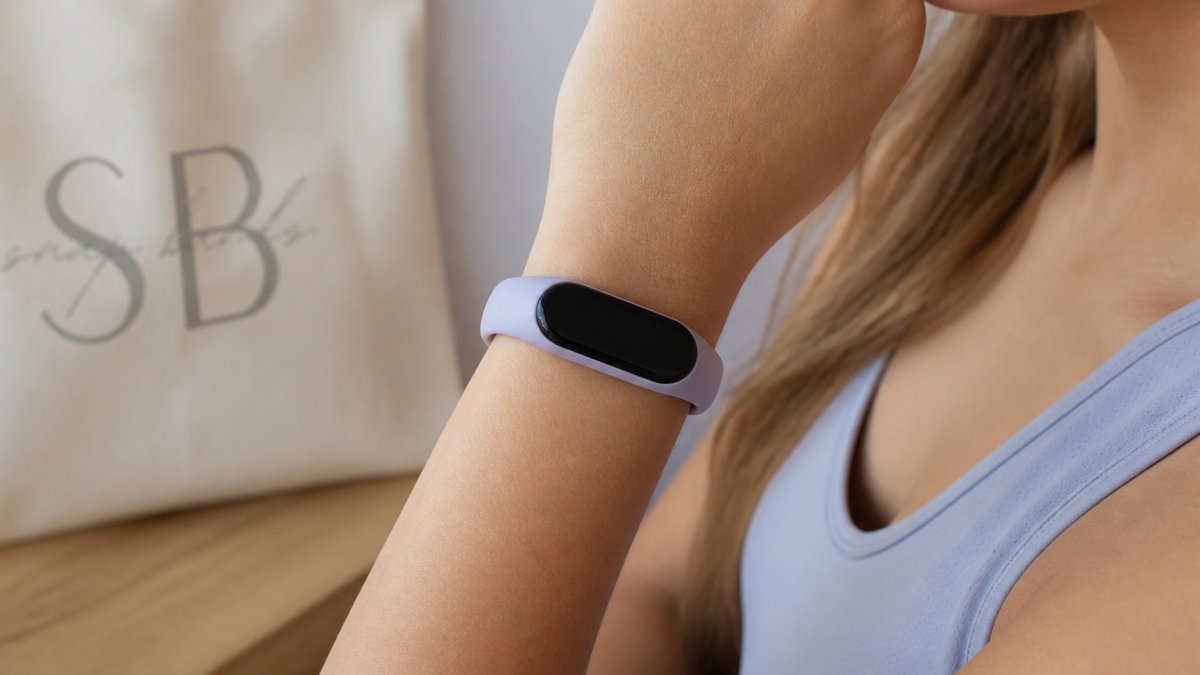
The Lucio Sport Silicone Band is crafted from skin-friendly silicone, and the Siena Sport Silicone Band uses a soft, breathable silicone that's comfortable for all-day wear. Breathability is the quiet hero here. A band that lets air move under it stays drier, and drier skin is calmer skin.
A common mistake is wearing the band too tight. A snug fit keeps the sensor in contact with your wrist, but a band that leaves deep marks is pressing too hard. Loosen it one notch and see how your skin responds over a few days.
How to Keep Your Band Looking New: Cleaning and Care
Most bands don't wear out. They get neglected. A thirty-second cleaning routine a few times a week keeps color, texture, and odor under control.
Silicone bands are the easiest. Wipe them with mild soap and warm water, rinse, and dry with a soft cloth. Do this after sweaty workouts so salt and oils don't sit on the surface. Nylon needs a gentler hand: hand wash with mild soap, rinse well, and air dry completely away from direct heat.
A few habits that make a real difference:
- Rinse after swimming, especially in chlorinated or salt water
- Alternate between two bands so each fully dries
- Keep lotions and perfumes off the band itself
- Check the buckle and clasp for buildup every couple of weeks
Stored properly and cleaned regularly, a good band holds its shape and color far longer than one that lives on your wrist permanently.
Which Band Fits Your Life? Picking by Activity
Match the band to your week, not to a single workout. Most of us are doing three or four different things, and one band rarely covers all of them well.
For high-sweat training, the Lucio and the Enzo are the strongest picks. The Lucio's wavy, breathable design wicks away sweat, and the Enzo's perforated silicone keeps air moving during gym sessions. Both are lightweight and flexible.
If you swim, look at the Kaya. It's ideal for workouts, swimming, and daily activities, and it's waterproof with an adjustable buckle that stays put in the water.
For office days and evenings out, the Siena's soft silicone and range of colors make it the easiest to dress up. And if your weekends involve trails, the Adventure Nylon Strap Band is built for explorers, with a secure fit that holds through movement.
Conclusion
The right band changes how your tracker feels, how your data reads, and how often you actually want to wear it. Start with the material that suits your skin and your sweat level, confirm the connector and width, then build a small rotation so no single band carries every workout.
Frequently Asked Questions
Which watch band material is best for sensitive skin?
Silicone and nylon are the most skin-friendly options. Look for soft, skin-friendly silicone that wicks away sweat, like the Lucio Sport Silicone Band, or a breathable nylon strap such as the Adventure Nylon Strap Band. Both reduce moisture build-up, which is the main cause of irritation. Avoid tight fits and clean your band regularly to keep your wrist comfortable.
Can you use third-party bands with an Apple Watch?
Yes. Third-party bands designed for Apple Watch slide into the same connector slots as official bands. The key is matching your watch case size and choosing a band with a secure connector. Snap Bands' third-party bands are compatible with Apple Watch and other brands, so you get the same snap-on fit without paying official band prices.
How do I choose a replacement band for my fitness tracker?
Start with compatibility: check your watch case size and connector type. Then match the band to your routine. Silicone suits sweaty workouts and swimming, while nylon dries fast and works for everyday wear. For sensitive skin, choose a breathable, skin-friendly material. Finally, confirm the band is adjustable so it sits snug but not tight.
Are these bands durable enough for daily workouts?
Yes, when you pick the right material. Silicone bands like the Kaya Silicone Sport Band are waterproof and built for swimming, workouts, and daily wear. Nylon straps like the Adventure Nylon Strap Band offer a secure fit for outdoor activities. Rinsing your band after sweaty sessions and letting it dry fully helps it last longer.
Will a replacement band keep my heart-rate tracking accurate?
A properly fitted band keeps the sensor in steady contact with your wrist, which supports accurate heart-rate and sleep tracking. A band that is too loose lets the sensor shift during movement. Choose an adjustable band, such as the Enzo Sporty Perforated Band, and position it snugly above your wrist bone for the best sensor contact.
Finding a band that's comfortable, durable, and genuinely you shouldn't be a compromise. Snap Bands makes third-party bands compatible with Apple Watch and other brands, in a range of colors and patterns that move from the office to your next adventure. Every band is designed for super comfy all-day wear, with free shipping and a gift box included. Shop the collection at Snap Bands and build the rotation your wrist has been asking for.

